
Buying land tends to attract decisive people. Farmers expanding acreage. Investors thinking long-term. Buyers who know what they want but haven't found the right structure yet. What often surprises them is not the price of the land—it's how differently land loans work compared to conventional mortgages.
A land loan is not a stripped-down home loan. It's a separate category of financing with its own logic, risk tolerance, and unwritten rules. Understanding those rules before you start calling lenders is the difference between getting a workable loan and spending months chasing dead ends.
This guide explains how to find a land loan the way experienced buyers do it: by matching the land, the lender, and the intended use—rather than assuming financing will simply "figure itself out."

How To Find A Land Loan Lender
How Lenders Actually Define "Land"
From a lending standpoint, land is not a single asset class. The way your property is classified will shape everything that follows: interest rate, down payment, term length, and even which lenders are willing to talk to you.
Most lenders think in three broad categories:
- Raw land: No utilities, no formal road access, no improvements. This is the highest-risk category.
- Unimproved land: Legal access exists, utilities may be nearby, but no structures or active use.
- Improved land: Utilities are in place or readily available, zoning is clear, and the use is defined.
The key issue for lenders is liquidity. Land does not generate income on its own, and it is slower to sell than residential property. The more uncertainty around access, zoning, or future use, the more conservative the loan terms become. That conservatism typically shows up as higher down payments, shorter amortization periods, and higher rates.
If you are unclear about how your land fits into these categories, lenders will default to the most conservative assumption.
Purpose Matters More Than Price
One of the most common misconceptions is that a land loan is interchangeable regardless of intent. In reality, lenders underwrite land loans based on use, not just value.
Before you approach a lender, you should be able to answer—in plain language—what the land is for:
- Agricultural production
- A future homesite
- Recreational use
- Long-term hold or development
Each purpose points to a different lending universe. Agricultural lenders are often comfortable with larger tracts and longer timelines, but only when the land supports real agricultural activity. A community bank may finance a homesite, but expect construction within a defined period. Recreational land, especially without income potential, tends to receive the strictest terms.
Saying "we'll figure it out later" is rarely acceptable. Lenders finance defined plans, not open-ended optionality.
Where to Find Land Loan Lenders That Actually Close Deals
Land loans are rarely found through the same channels as conventional mortgages. The most reliable sources tend to be relationship-driven rather than transactional.
Local and regional banks remain one of the most practical starting points. Banks that operate in the same county as the land often understand zoning, access issues, and local market depth. Many hold land loans on their own balance sheets rather than selling them, which gives them flexibility—but also means underwriting is conservative and personal.
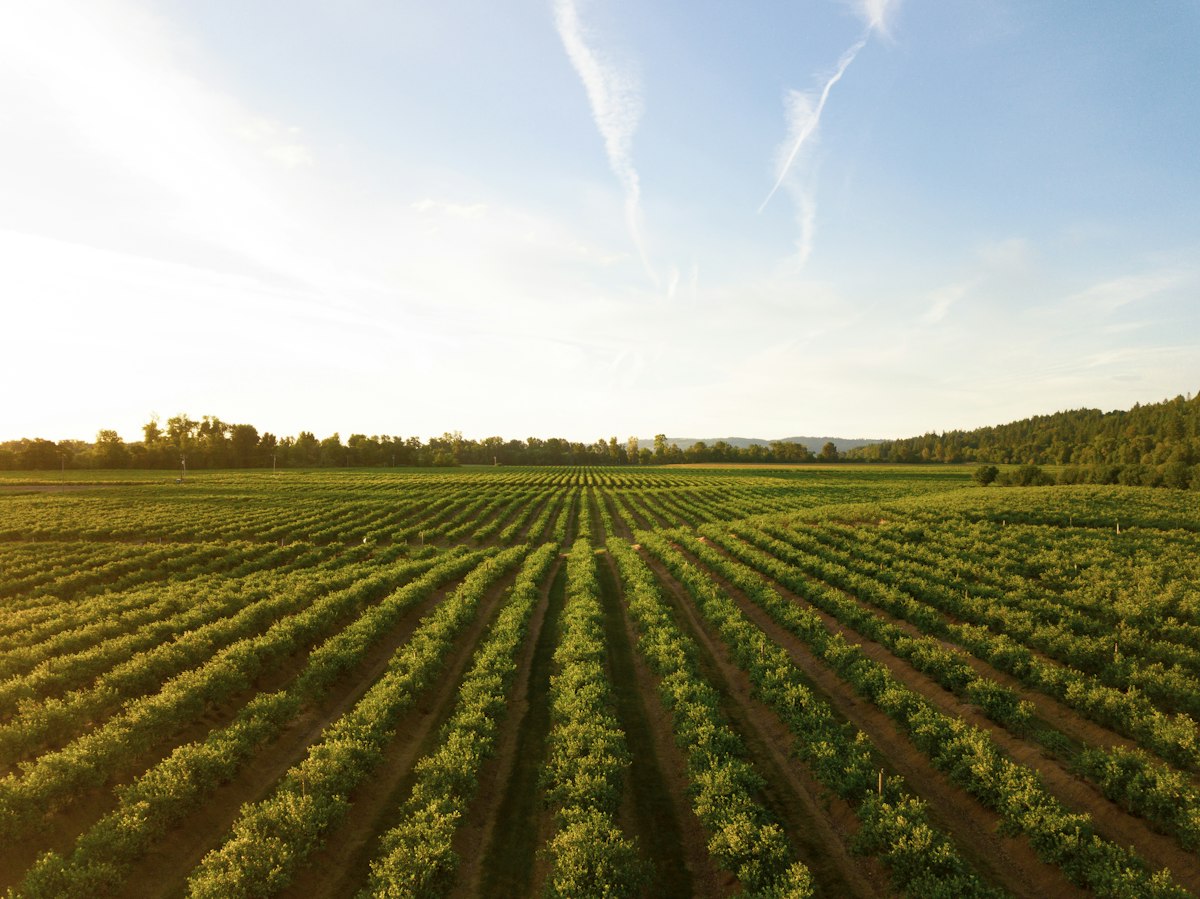
Agricultural and farm-focused lenders are often the best fit when the land has legitimate agricultural use. These lenders evaluate factors like soil quality, productivity, and borrower experience, not just comparable sales. When the use aligns, they can offer competitive long-term structures that conventional banks may not.
Credit unions sometimes offer land loans to members, though programs vary widely. Existing relationships matter here; terms are often better for borrowers with established accounts and local ties.
Specialized land loan brokers can be useful in complex situations—large acreage, mixed-use land, or multi-state purchases. A credible broker does not simply shop rates. They pre-screen the deal and align it with lenders whose underwriting philosophy fits the land and borrower profile. Brokers who promise approvals before reviewing access, zoning, or use should be treated cautiously.
What Land Loan Underwriting Focuses On
Borrowers are often surprised by what matters most in a land loan approval.
Down payment expectations are significantly higher than residential loans. Raw land usually takes more down than productive farmland, and the lender sets the amount. Lower down payment offers usually come with shorter terms or higher rates.
Liquidity and reserves matter as much as credit scores. Lenders want to see that you can carry the land without stress. Cash remaining after closing is often scrutinized more closely than income.
Legal access, zoning, and utilities are frequent deal-breakers. "Used historically" access is not the same as legal access. Zoning ambiguity creates risk. Unclear utility paths slow approvals and raise costs.
Exit strategy is always part of the analysis. Even if you intend to hold the land indefinitely, lenders need a credible path to repayment if circumstances change. Land that is easier to resell—or convert to a defined use—receives better terms.
A Practical Example of Why Alignment Matters
Two buyers pursue similar 80-acre parcels in the same region.
The first buyer approaches a national lender with minimal detail beyond purchase price and acreage. The lender treats the land as a generic risk asset and offers a short-term loan, a high rate, and a substantial down payment.
The second buyer works with a regional agricultural lender. They document intended farm use, outline prior experience, and explain how the land fits into an existing operation. The lender structures a longer-term loan with more flexible covenants.
The land is similar. The outcome is not. The difference is preparation and lender fit—not negotiation tactics.
Timing, Process, and Realistic Expectations
Land loans move slower than residential mortgages. Appraisals take longer. Title issues surface more often. Environmental questions and access verification can extend timelines.
Purchase contracts that assume quick closings without contingencies often create unnecessary pressure. Experienced buyers build time into the process and expect iteration with the lender. This slower pace is not inefficiency—it reflects the complexity of the asset.
How to Prepare Before Applying
Borrowers who receive the best terms typically arrive prepared. That means:
- A written explanation of intended land use
- Proof of funds for down payment and post-close reserves
- Basic understanding of zoning and legal access
- A realistic timeline for holding, developing, or operating the land
This preparation does not just improve approval odds. It signals competence—and lenders price competence into their decisions.
Final Perspective
Finding a land loan is not about volume searching or rate shopping. It is about clarity. Borrowers who understand that land is its own asset class—distinct from homes and commercial buildings—are far more likely to secure financing that works over the long term.
If you approach a land loan expecting it to behave like a mortgage, you will be frustrated. If you approach it as a purpose-driven, illiquid asset that requires thoughtful alignment, you will find lenders willing to work with you.
About AgLoans.com
AgLoans.com helps potential borrowers find reputable and price competitive lending options for agricultural land loans for farms, sibling buyouts, vineyards and more. We are family-owned and based in the Midwest, and we're here to help you find the best options and information for your situation.